Insulation material safety is the core quality standard for electrical, electronic, new energy and home appliance products. Most electrical fires, insulation failures and short circuits are not caused by circuit overload. They stem from surface tracking on insulating materials. Humidity, dust, acid and alkali mist, together with long-term electrification, form conductive paths on plastic shells and accessories. This leads to carbonization, creepage, fire hazards and equipment damage.
Comparative Tracking Index (CTI) and Proof Tracking Index (PTI) are two core indicators defined by IEC 60112 and GB/T 4207 standards. They evaluate the resistance of insulating materials to electrical tracking. Both tests are mandatory for product design, material selection, quality inspection and safety certification.
1. What is Electrical Tracking and Why It Matters
Electrical tracking is an irreversible failure mode. Under combined conditions of surface contamination, humidity and continuous electric field, tiny leakage current occurs on insulation surfaces. Local overheating causes carbonization and forms permanent conductive traces. Simply put, the insulating material gradually becomes conductive.
This defect is highly hidden. It does not fail instantly but deteriorates during long-term operation. It eventually causes short circuits, tripping and equipment burnout. In severe cases, it triggers electrical fires. All high and low-voltage electrical appliances, charging piles, appliance housings, terminal blocks and new energy accessories must pass tracking tests. This eliminates potential safety risks from the material source.
2. Core Differences Between CTI and PTI
Many industry practitioners confuse CTI and PTI. In fact, they have different test logics and application scenarios. They complement each other and form a complete evaluation system for insulation tracking performance.
2.1 CTI (Comparative Tracking Index)
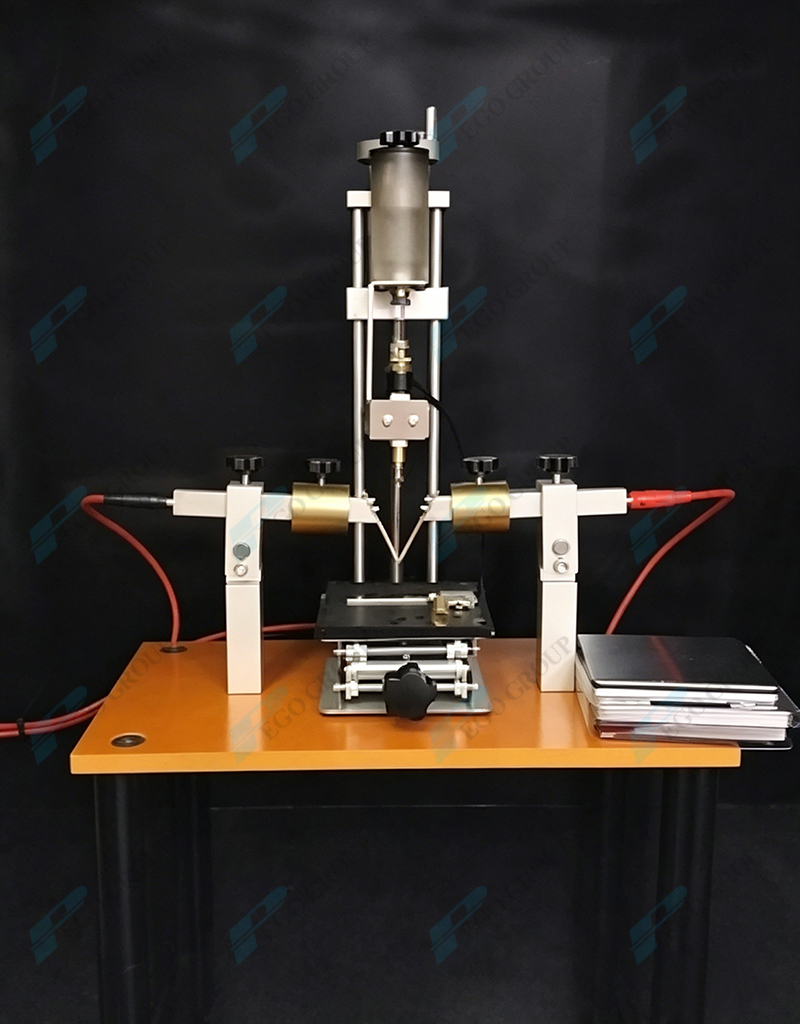
CTI is a material limit performance indicator. It defines the maximum tracking resistance of insulation materials. The test adopts step-up and step-down voltage cycles. It accurately obtains the maximum safe voltage that resists carbonization, breakdown and continuous ignition after 50 drops of standard ammonium chloride electrolyte.
CTI serves as the key basis for electrical structure design. The industry classifies materials based on CTI values: Material Group I (≥600V), Group II (400–599V), and Group IIIa/IIIb. These values directly determine creepage distance and electrical clearance parameters. CTI guides R&D material selection and high-end equipment design. Higher CTI values mean better pollution resistance, moisture resistance and aging resistance, as well as higher product safety and stability.
2.2 PTI (Proof Tracking Index)
PTI is a product compliance verification indicator. It is mainly used for batch quality inspection and qualification judgment. The test runs at a fixed standard voltage with 50 drops of electrolyte. The sample passes only if no tracking, breakdown or continuous combustion occurs.
Unlike CTI which explores performance limits, PTI only verifies whether materials meet specified safety standards. It is widely used for incoming material inspection, finished product acceptance, batch testing and safety audits. PTI stabilizes mass production quality and avoids batch safety hazards in daily factory quality control.
3. Accurate Tracking Control Ensures Long-term Product Safety
Electrical equipment always operates under humid, dusty and temperature-changing conditions. The tracking performance of insulating materials directly affects product service life, stability and safety level. Many products have qualified appearance and electrical parameters, but still face short circuit and fire risks in long-term use. The main cause is the lack of standardized CTI and PTI testing.
Accurate CTI limit testing and PTI compliance verification help enterprises select materials scientifically and optimize structural design. They improve product durability in harsh environments and extend service life.
4. Conclusion
Tracking performance determines product safety, and precise testing guarantees quality. CTI defines the upper limit of material performance, while PTI safeguards mass production quality. The joint control of the two indicators eliminates insulation safety hazards from the source. It ensures all finished products adapt to long-term and complex working conditions, and supports enterprises in quality upgrading, brand building and market expansion.