1. Abstract
The UL rain test plays a pivotal role in evaluating the durability and safety of electrical and electronic products under simulated rainfall conditions. This article delves into the significance, functions, and application scenarios of this test, with a primary focus on the PEGO PG-UL1 water spray testing equipment. Through a comprehensive analysis of the testing procedures, performance parameters, and data evaluation, this paper aims to guide manufacturers in optimizing product design, verifying compliance, and ensuring quality before product launch.
2. Introduction
In the manufacturing of electrical and electronic products, ensuring resistance to environmental factors is critical for product safety and service life. As one of the most recognized tests for evaluating waterproof performance, the UL rain test simulates various rainfall conditions to examine the physical integrity and operational stability of products such as lighting equipment, control panels, enclosures, and electrical components. For products intended for outdoor use or exposed to harsh environments with potential water exposure, this test is a key link in ensuring reliable waterproof performance.
3. Objectives and Scope of the UL Rain Test
3.1 Core Goals
The primary purpose of the UL rain test is to determine whether a product can remain functional and safe after exposure to rain. This evaluation is essential for products used outdoors or in harsh environments where water contact is inevitable.
3.2 Role for Manufacturers
Verify Design Compliance: Ensure product designs meet industry standard requirements.
Identify Design Flaws: Detect potential design issues through testing for continuous improvement.
3.3 Production Quality Control:
Implement quality control checks during production to ensure product consistency.
3.4 Obtain Safety Certification:
Provide a safety guarantee for product compliance with regulatory certifications, facilitating market access.
4. PEGO PG-UL1 Water Spray Testing Equipment
4.1 Industry Leadership
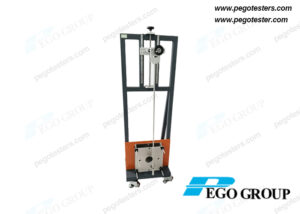
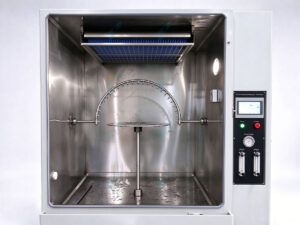
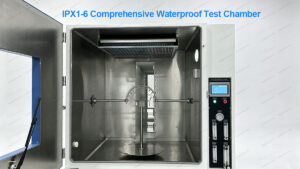
As a leading UL rain test solution in the industry, the Pego PG-UL1 water spray testing equipment accurately simulates natural rainfall conditions, enabling precise control of water pressure, spray angles, and test duration. It is widely used in testing outdoor lighting fixtures, electrical cabinets, waterproof connectors, and other products.
4.2 Key Features
Adjustable Nozzles: Simulate different rainfall intensities by adjusting nozzles to meet diverse testing needs.
Stainless Steel Construction: Built with stainless steel for long-term durability, suitable for frequent testing operations.
Programmable Control Panel: Customize test cycles via a programmable control panel, flexibly adapting to testing requirements for different products.
International Standard Compliance: Meets international standards such as UL and IEC, ensuring the authority and universality of test results.
5. Testing Procedures
5.1 Test Implementation
The UL rain test typically involves exposing test samples to water sprays at different angles for a specified duration. The Pego PG-UL1 water spray testing equipment can accurately replicate these test conditions, ensuring the accuracy and repeatability of results.
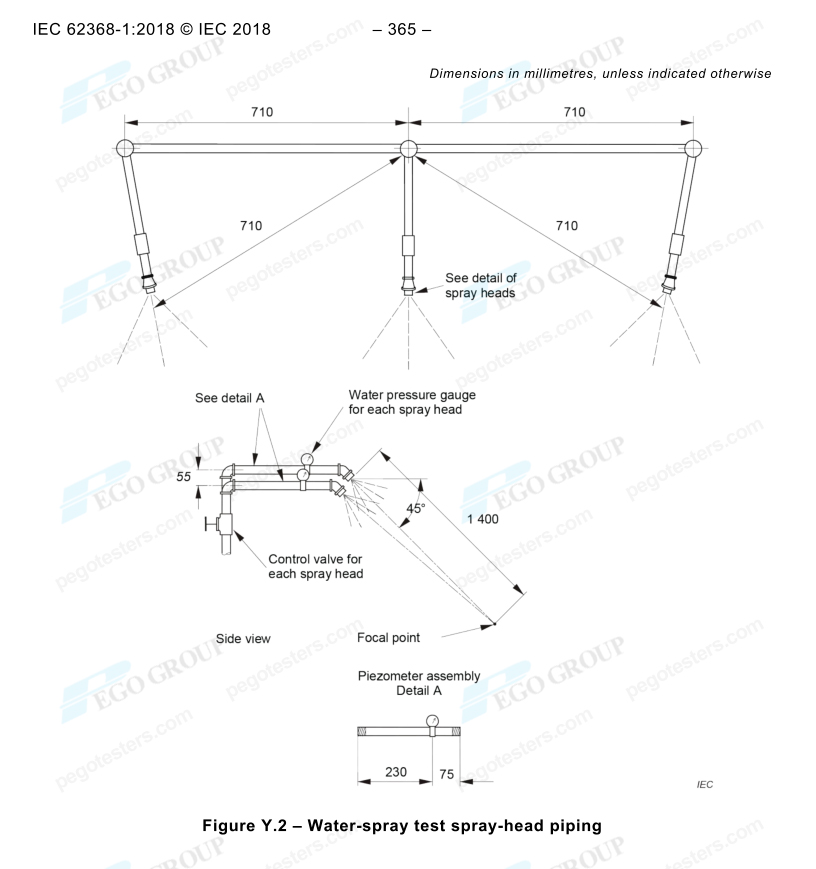
5.2 Test Setup Parameters
Parameter | Specification |
Height Adjust Range | 1000-2000mm |
Flow Rate | ≧10L/min |
Total water pressure | 50-150Kpa |
Water Pressure At Each Spray Head | 34.5Kpa |
Number of Spray Head | 3 |
5.3 Post-Test Inspection
After the test, products undergo a comprehensive inspection for signs of water ingress, corrosion, or malfunctions. If issues are identified, the product’s design, materials, or sealing mechanisms must be re-evaluated and improved to ensure compliance with waterproof requirements.
6. Data Analysis and Evaluation
6.1 Protection Rating Compliance
Check whether the product meets its intended protection rating (IP rating), such as IPX3 or IPX4, to ensure its waterproof performance aligns with design standards.
6.2 Electrical Performance Verification
Inspect circuits, insulation, and connectors to confirm they remain intact and operational after the test, ensuring the product’s electrical safety and reliability.
6.3 Mechanical Integrity Assessment
Evaluate structural components for deformation, cracking, or loss of strength to ensure stable mechanical performance and the ability to withstand environmental pressures in actual use.
7. Benefits of Conducting UL Rain Tests
7.1 Enhance Product Reliability
Strict UL rain testing ensures products can withstand harsh weather conditions, significantly improving their reliability in real-world applications and reducing failure risks due to inadequate waterproofing.
7.2 Strengthen Market Competitiveness
Certified products that meet global safety standards are more competitive in the market, attracting more consumers and clients, and helping enterprises expand their market share.
7.3 Reduce Liability Risks
Minimize the likelihood of product failures due to waterproofing issues in practical applications, thereby reducing liability risks for enterprises and protecting their reputation and financial interests.
8. Conclusion
The UL rain test is an indispensable part of verifying the waterproof performance and durability of electrical and electronic products. With advanced equipment like the PEGO PG-UL1 water spray testing equipment, manufacturers can design, test, and certify products with greater confidence, ensuring suitability for outdoor and harsh environments. Incorporating such tests into the product development cycle not only improves product quality but also enhances a company’s reputation and competitiveness in the market, laying a solid foundation for long-term business growth.